Wholesale Bread for Restaurants and Cafés: Choosing the Right Range
From sandwich loaves to speciality breads, choosing the right wholesale bread range can make a difference to your menu, stock planning and customer experience. Here's what food businesses should consider.
Why choosing the right bread matters
Bread is one of those products customers often take for granted — until it isn’t very good.
For a restaurant, it might be the first thing served at the table. For a café, it could form the basis of a popular sandwich. For a food retailer, it might be a product customers return to buy every week.
Choosing the right wholesale bread isn’t simply about finding the lowest price. It’s about finding products that work for your menu, your customers and the way your business operates.
Here are some things worth considering when reviewing your bread range.
- Start with how you’ll use the bread
Different food businesses need different types of bread.
A café serving sandwiches throughout the day may prioritise consistency, portion size and how well the bread holds fillings.
A restaurant might want something with more character to accompany a meal or feature on its menu.
A retailer may need a broader selection to appeal to customers shopping for different occasions.
Before choosing products, think about their intended use.
For example:
- Sandwiches and toasties
- Breakfast and brunch dishes
- Bread served alongside meals
- Sharing platters
- Retail sales for customers to take home
Once you know what you need the bread to do, choosing a suitable range becomes much easier.
- Consider texture as well as flavour
A bread might taste excellent on its own but not work particularly well for a specific dish.
A thick crust, for example, may be appealing when serving bread with soup, but less practical for certain sandwiches.
Similarly, a soft loaf may be ideal for toast or filled sandwiches but not provide the texture you’re looking for when accompanying a restaurant meal.
Think about the relationship between the bread and the food you’re serving.
Does it need to hold a substantial filling? Will it be toasted? Is it served fresh or warmed before service?
These details can make a real difference to the finished product.
- Keep your range manageable
Offering a wide variety of breads can be attractive, but too many options can complicate ordering and increase waste.
For many businesses, a focused selection of dependable products is a sensible starting point.
A café might begin with a reliable everyday sandwich bread and one or two speciality options.
A restaurant might choose a versatile table bread alongside something more distinctive for particular dishes.
A food retailer may benefit from combining familiar favourites with a smaller selection of speciality breads.
The right balance depends on your customers and the amount of stock you can realistically sell.
It’s usually better to have a smaller range that performs consistently than a large selection that regularly goes unsold.
- Think about freshness and storage
Freshness is particularly important when working with bread.
Texture and eating quality can change over time, and different products have different storage requirements.
Make sure you understand how each bread should be stored and handled.
Some breads are best used soon after purchase, while others may be suitable for freezing, depending on the product and supplier guidance.
For businesses with fluctuating demand, understanding shelf life and appropriate storage can help with stock planning.
Always follow the specific handling and storage instructions for the products you purchase.
- Calculate the real cost per serving
When comparing wholesale bread prices, the price per loaf doesn’t always tell the full story.
Consider how many usable portions you can get from each product.
A larger loaf may cost more initially but provide more servings. Another bread might cost less but produce greater waste if it doesn’t suit your menu.
For restaurants and cafés, it’s worth looking at:
- Purchase price
- Number of usable slices or portions
- Portion consistency
- Storage requirements
- Expected wastage
- Selling price of the finished dish
These factors help you understand the real cost of using a particular bread.
The cheapest loaf isn’t necessarily the most economical choice for your business.
- Choose bread that suits your customers
Your bread selection should reflect the type of business you operate.
A neighbourhood café may find that familiar, versatile breads perform best.
A restaurant with a more specialised menu might want products that complement particular dishes.
A food retailer serving a diverse customer base may benefit from offering several styles of bread.
It’s worth paying attention to what customers actually buy and request.
Rather than constantly changing your selection, build around dependable products and introduce alternatives when there’s a clear reason to do so.
- Work with a supplier who understands your business
A good wholesale bakery supplier should be able to help you understand the range available and which products may suit your requirements.
Before choosing a supplier, consider the practical questions.
Can you review the products before committing to regular purchases? Is the available range suitable for your business? Are the ordering arrangements practical?
It’s also worth discussing product sizes, storage information and how your requirements may change over time.
The right supplier relationship should make running your business easier, not more complicated.
Wholesale bread in North London
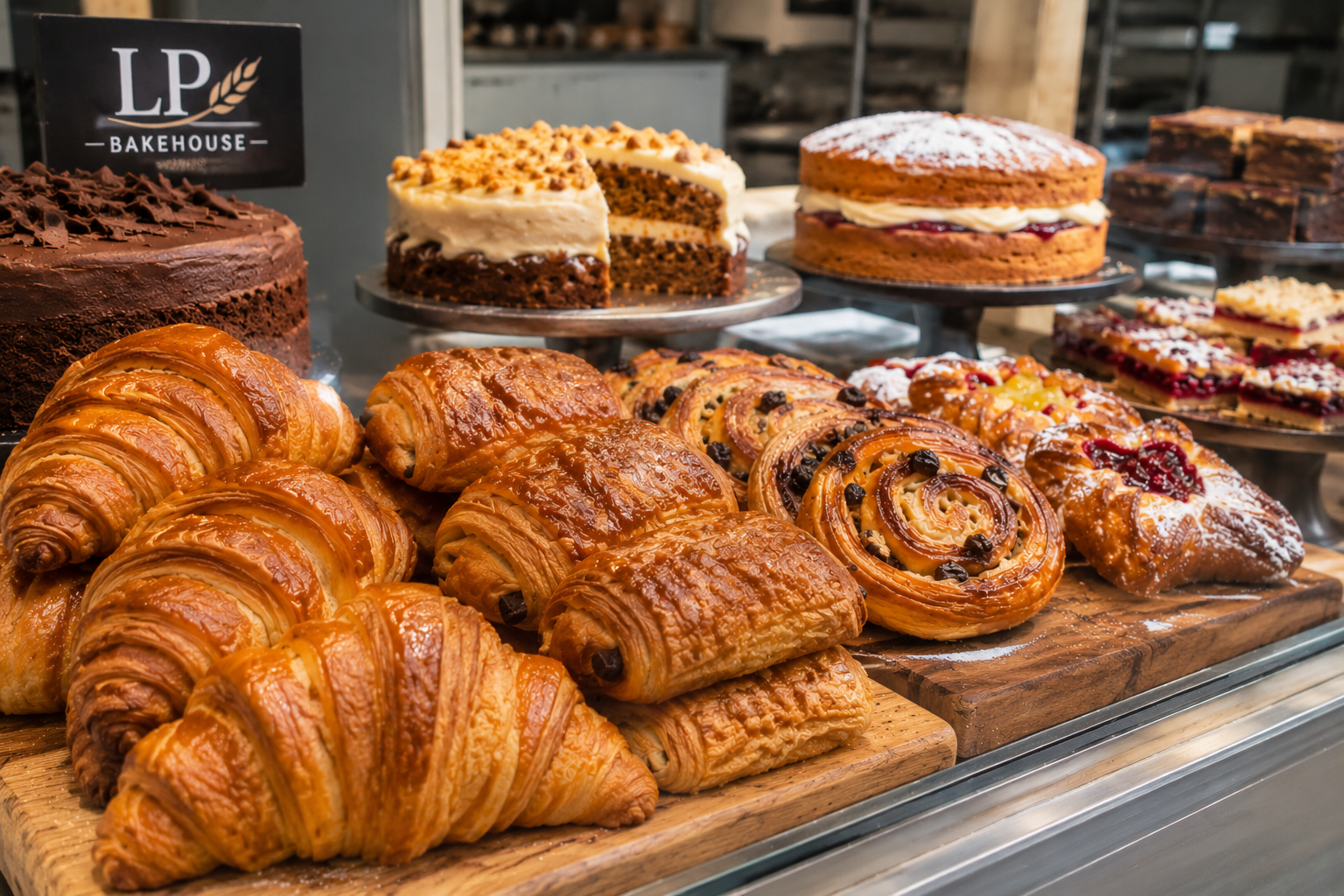
LP Bakehouse is based in Palmers Green, North London, supplying bakery products to cafés, restaurants, retailers and other food businesses.
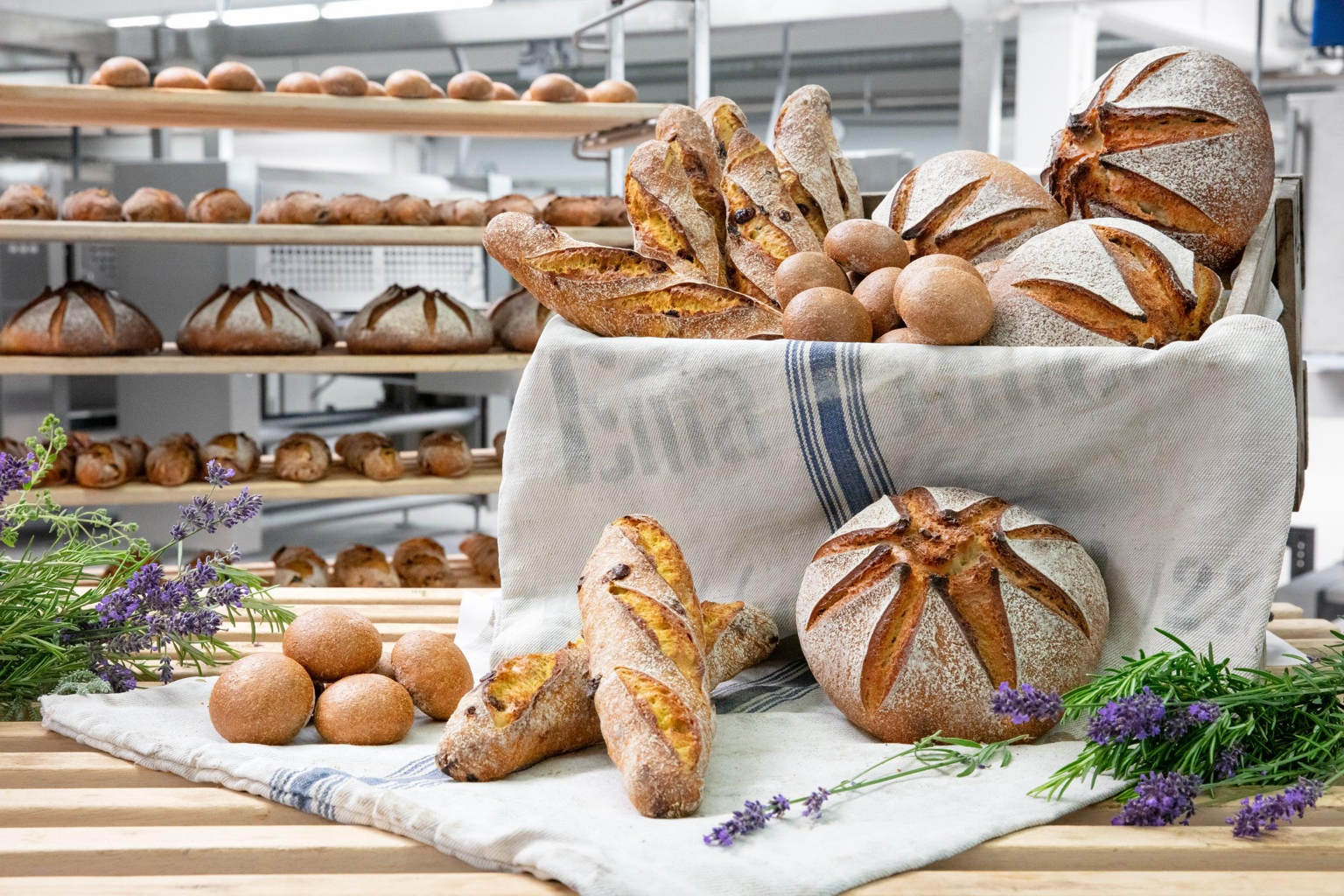
Our bread is supplied fresh for businesses seeking quality fresh wholesale bread in North London. Our wider range includes pastries, cakes, sweets and savouries.
Whether you’re reviewing your current bread supplier, expanding your menu or opening a new food business, we’d be happy to discuss what you’re looking for.
Explore our bread range or contact LP Bakehouse to enquire about our wholesale bakery products.